
Market update · 22/06/2026 · 3 min read
Metals Week: Hawkish Fed Weighs on Gold, Central Banks Buy
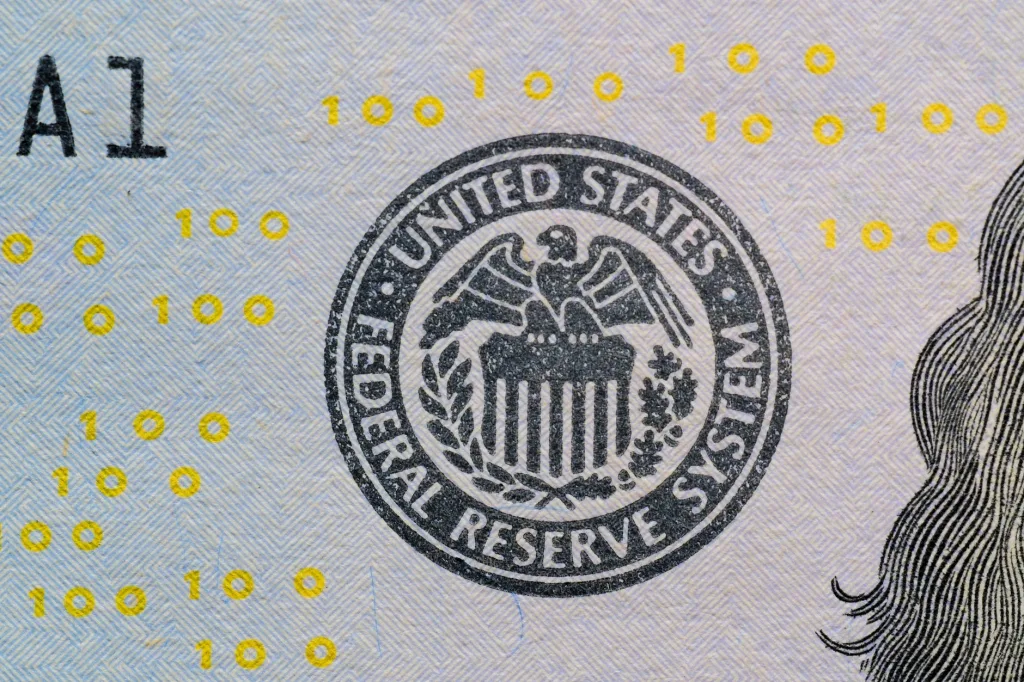
Last week belonged to the central bankers. The US Federal Reserve left rates unchanged but struck a noticeably more hawkish tone, weighing on gold and silver while lifting the dollar to a yearly high. At the same time, a fresh World Gold Council (WGC) survey showed that the central banks themselves have no intention of slowing their own buying. Below are the week’s key headlines with sources, followed by a short look at what current price levels mean for an Estonian investor.
The week’s key headlines
- The Fed held rates steady, but the tone turned hawkish. On 17 June the Federal Reserve held its benchmark rate in the 3.50–3.75% range, in a unanimous 12–0 vote. In the updated projections, however, nine of the 19 policymakers now see a need to actually raise rates in 2026. Gold responded immediately, slipping below $4,300 an ounce (around $4,290). As expectations for lower rates fade, gold loses one of its main tailwinds. Source: Kitco News, 17 June 2026
- A dollar at a yearly high pressured gold and silver. After the Fed meeting the US dollar strengthened to its highest level of the year, keeping the non-yielding metals under pressure. By Friday, 19 June, spot gold was trading at around $4,155 and silver near $64.7 an ounce. A strong dollar makes gold more expensive in other currencies and dampens near-term demand. Source: Kitco News, 19 June 2026
- A record share of central banks plans to add gold. According to the WGC’s 2026 central bank reserves survey, a record 45% of central banks intend to increase their gold holdings over the coming year (up from 43% previously), and as many as 89% expect global gold reserves to grow. The survey drew a record 76 responses. The WGC notes that gold has recently overtaken US Treasuries as the world’s largest reserve asset. This structural demand should keep supporting the price even when investor sentiment swings. Source: Kitco News, 16 June 2026
- Geopolitics is no longer giving gold a safe-haven boost. Despite tensions in the Middle East, gold did not get its classic safe-haven lift this time around — according to one analysis, geopolitics moved the price only for a matter of days, while interest-rate expectations and the technical picture set the direction for the quarter. For investors, it’s a reminder that several forces drive the gold price at once, not just the headlines. Source: Kitco News (opinion), 16 June 2026
- Analysts: a more hawkish Fed could push gold toward $4,000. Some of the analysts surveyed by Kitco warned that, against the backdrop of a more hawkish Fed and a strong dollar, gold could pull back toward the $4,000 area in the coming weeks. This is an estimate rather than a firm forecast — views remain divided and depend on the next inflation readings. Source: Kitco News, 18 June 2026
This week’s prices and what they mean for an Estonian investor
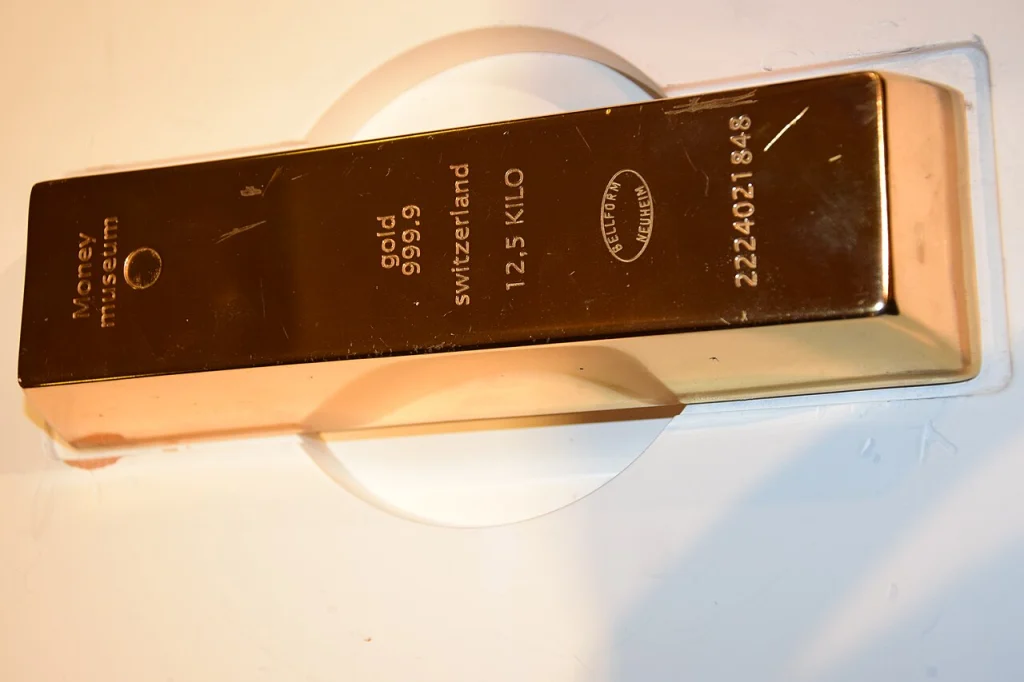
The fall on the global market is reflected at our counter too. At Goldman & Sons, a 1 oz gold coin costs around €3,840–3,915 this week — for example, the 1 oz Austrian Philharmonic gold coin or the 1 oz Canadian Maple Leaf gold coin. A 1 oz silver coin, such as the 1 oz Austrian Philharmonic silver coin, sits in the range of roughly €71–85. For larger quantities the premium per gram is lower — a 100 g Argor-Heraeus gold bar, for instance, works out cheaper per gram than small bars.
What to take from this? In the short term, the price is currently moving to the rhythm of interest-rate expectations and the dollar, and swings could continue in either direction. Over the longer term, strong and growing central bank demand remains in the background. Physical gold and silver are usually bought to diversify over the long run, not to catch a single week’s price move. If you’re weighing a purchase, it’s worth looking at your portfolio as a whole and your time horizon rather than one week’s chart.
This article is for informational purposes only and does not constitute investment advice or a solicitation to buy or sell precious metals. Precious metal prices fluctuate. Before making any investment decision, consider your own circumstances and consult a specialist if necessary.
Goldman & Sons editorial team