
Guide · 10/06/2026 · 4 min read
Gold vs Silver: Which to Choose for Investment?
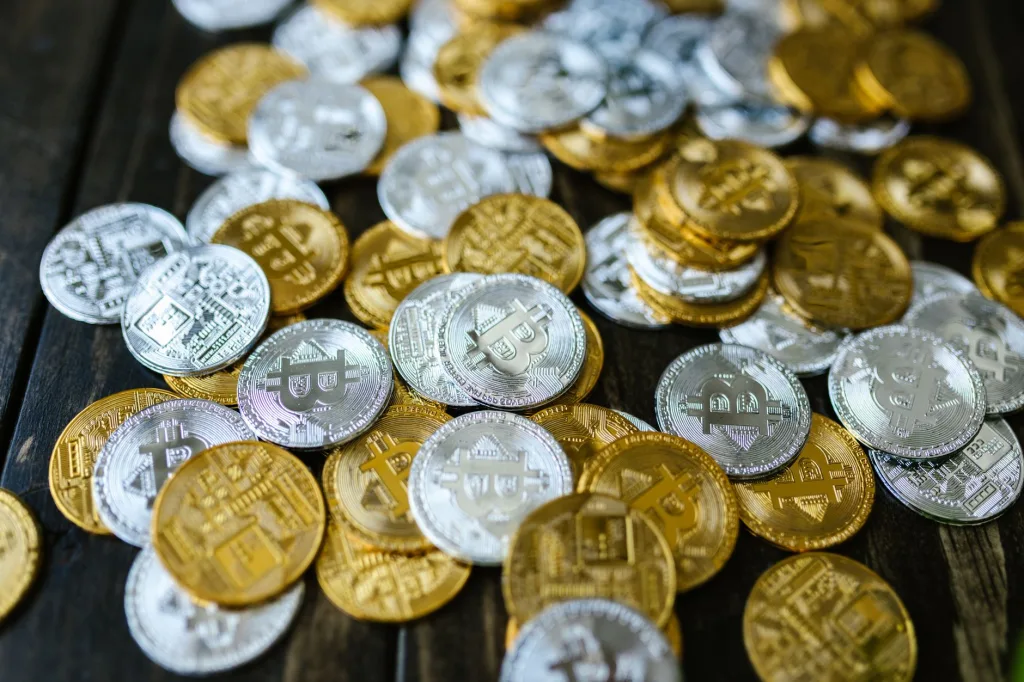
Gold and silver are the two best-known precious metals that investors put their money into. Both are physical assets that have held their value for centuries, yet they behave quite differently on the market. In this article we compare gold and silver as investments and help you understand which one might suit your goals.
The short answer: it depends on your goal
Let’s start plainly: there is no single right answer for everyone. Gold tends to be the steadier of the two and is widely regarded as the classic “safe haven” asset. Silver is cheaper and can climb more sharply, but it can also fall harder. Many investors don’t pick one over the other at all — they hold both, balancing stability against growth potential.
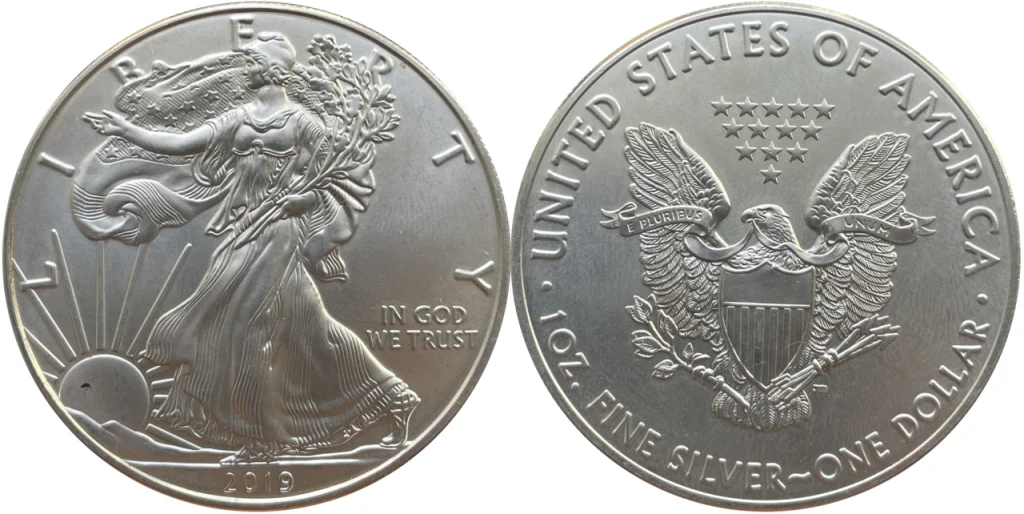
Gold — stability and a safe haven
Gold is first and foremost a financial asset. Its price is not driven much by industrial demand — the main influences are interest rates, inflation expectations, the US dollar exchange rate and central-bank buying. That is exactly why investors often turn to gold first in times of economic uncertainty.
According to the World Gold Council, gold owners see its primary role as diversifying a portfolio and protecting against inflation. The Council’s analysis suggests that a gold allocation of 7.5–15% has historically improved risk-adjusted returns and reduced portfolio volatility (gold.org). Looking ahead to 2026, Bank of America likewise saw gold mainly as a key hedge (Kitco).
For European buyers, gold is also convenient in practical terms: investment gold (certified coins and bars) is exempt from VAT across the European Union, which keeps the cost of entry lower. Popular choices include the 1 oz Austrian Philharmonic gold coin, or for a larger sum, the 100 g Argor-Heraeus gold bar.
Silver — growth potential and volatility
What sets silver apart is its dual nature: it is both a precious metal and an industrial metal. A significant share of silver demand comes from industry — electronics, solar panels, medicine and the automotive sector. This ties silver’s price partly to the economic cycle and to technology in a way that doesn’t apply to gold to the same degree.
The silver market is far smaller and less liquid than the gold market. A trade of the same size moves the silver price more in percentage terms, which is why silver has historically been considerably more volatile than gold. That means both greater upside potential and greater downside risk.
On the supply side, silver has been in a structural deficit for several years now. The Silver Institute forecasts a sixth consecutive year of market shortfall in 2026, as demand outstrips mined and recycled supply (silverinstitute.org). Silver can be bought physically in the same way — for example the 1 oz Austrian Philharmonic silver coin or, in a heavier format, the 1 kg Valcambi silver bar.
The gold-to-silver ratio: one useful gauge
Investors often watch the gold/silver ratio — it shows how many ounces of silver you can buy for one ounce of gold. A high ratio means silver is “cheap” relative to gold, and a low ratio the opposite. Historically the ratio has swung over a wide range and has no fixed “correct” level.
In early 2026, BMO noted that the gold-to-silver ratio could be approaching a historic low, as silver had become more expensive relative to gold (Kitco). The ratio is a helpful background indicator, but on its own it doesn’t tell you which metal will “rise” — it’s best viewed alongside other factors.
Taxes and the practical side in the EU
One important difference concerns VAT. Under EU rules, investment gold is exempt from VAT, whereas silver is treated as an ordinary taxable good and VAT is added to its purchase price. This raises silver’s real cost of entry and means its price has to rise more before you reach a profit. When it comes to storage, silver also takes up considerably more space than gold for the same value.
So which should you choose?
Put simply: if you are looking mainly for stability, preservation of value and lower volatility, the choice leans toward gold. If you are comfortable with more risk and are drawn to greater upside, silver may be appealing. Several analysts saw room to run for both heading into 2026 — Metals Focus, for instance, forecast price gains for both gold and silver, while also stressing that uncertainty persists (Kitco).
For many people the answer isn’t “either/or” but a combination of the two, matched to their own risk tolerance and time horizon.
Frequently asked questions
Is silver a better investment than gold?
Neither is always better than the other. Silver can rise more sharply, but it is also more volatile and riskier. Gold is steadier and is regarded as a safe haven.
Why does silver carry VAT but gold doesn’t?
Investment gold has a specific VAT exemption in the EU. Silver is treated as an ordinary good, so VAT is added to its price.
Do I have to choose just one?
No. Many investors hold both gold and silver to combine stability with growth potential.
This article is for informational purposes only and does not constitute investment advice or a solicitation to buy or sell precious metals. Precious metal prices fluctuate. Before making any investment decision, consider your own circumstances and consult a specialist if necessary.
Goldman & Sons editorial team