
Guide · 30/05/2026 · 5 min read
How to Invest in Gold in Estonia: A Beginner’s Guide
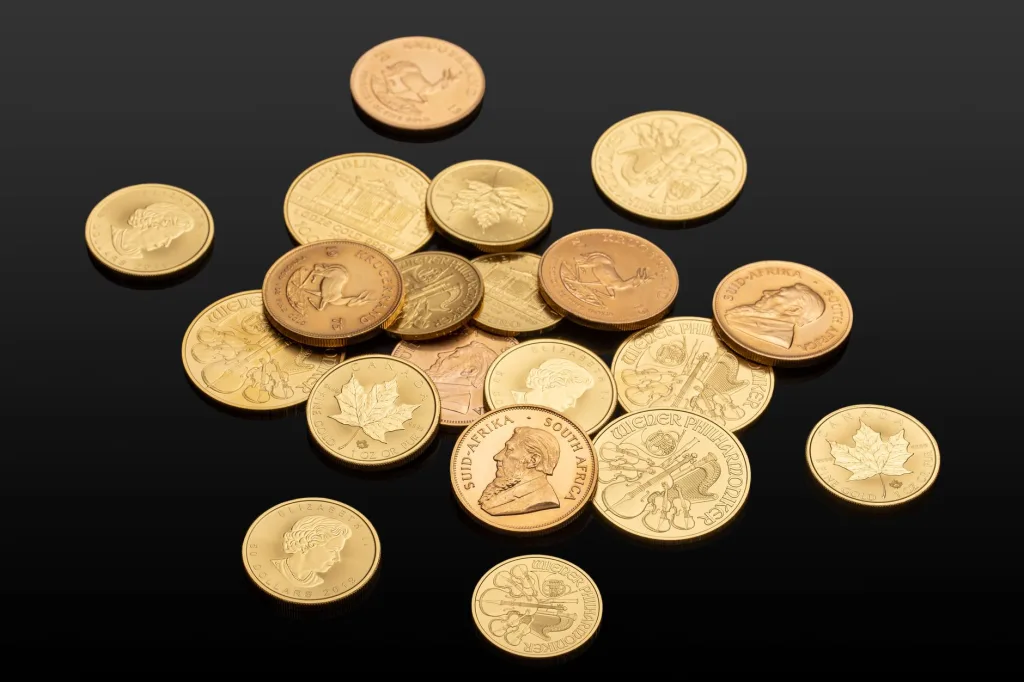
For centuries, gold has been a way to hold on to savings, and in recent years interest in physical investment gold has grown in Estonia too. If you are weighing up your first gold purchase, this guide will help you understand the key concepts, the choices involved, and the practical steps. It is meant as an educational overview, not as investment advice.
Why people buy gold
Gold is a physical asset in limited supply, and its value does not depend on the fortunes of any single company or country. Many investors use it to diversify a portfolio and to help preserve purchasing power over the long term. The interest is not limited to private buyers: according to the World Gold Council, central banks bought a net 243.7 tonnes of gold in the first quarter of 2026, 3% more than a year earlier. The same source reports that demand for physical bars and coins rose 42% over the quarter, to 474 tonnes.
It is important to understand that the gold price fluctuates. In the first quarter of 2026 the LBMA quarterly average price reached a record 4,873 USD per ounce, with a peak of 5,405 dollars in January, yet short-term moves in both directions are normal. Gold pays no interest or dividends, so its role in a portfolio differs from that of stocks and bonds.
Physical gold: coins and bars
Physical investment gold is sold mainly in two forms: gold coins and gold bars. Both are made from high-purity gold (typically 999.9 thousandths, or 24 carat).
Coins have well-known designs, are easy to recognise, and are widely traded around the world. Popular choices among beginners include the 1 oz Austrian Philharmonic gold coin and the 1 oz Canadian Maple Leaf gold coin. If your budget is smaller, fractional coins are also available, such as the 1/25 oz Philharmonic, which lets you start with a smaller amount.
Bars typically carry a lower premium per gram than small coins, because they are simpler to produce. Smaller certified bars work well for beginners, for example the 10 g Argor-Heraeus Kinebar gold plate. Larger bars offer the best price per gram, but they are harder to sell off in parts.
What is the premium
The price of physical gold has two components: the market price (the spot price) and the premium, which covers manufacturing, shipping, the dealer’s costs, and their margin. Smaller units, such as fractional coins, carry a higher premium in percentage terms than large bars. That is why it is worth comparing the price per gram rather than just the purchase price. When you sell, you receive an amount close to the market price, less the dealer’s spread.
VAT and taxation in Estonia
One reason investment gold is an accepted savings asset is the way it is taxed. In the European Union, investment gold is exempt from VAT — a rule that goes back to the EU’s 1998 gold directive. Investment gold includes, among other things, bars with a purity of at least 995 thousandths and a market-accepted weight. This is also why it is worth distinguishing investment gold from, say, jewellery gold, which is taxed differently.
On tax matters, including declaring any gain when you sell, it is best to follow the guidance of the Estonian Tax and Customs Board and, if needed, consult a specialist, since everyone’s situation is different.
Where and how to buy
Physical gold can be bought from a reputable dealer, either online or from a physical shop. When buying, pay attention to the following:
- Product purity and maker. Favour coins from well-known mints (such as Austria or Canada) and bars from certified refiners.
- Transparent pricing. A good seller shows both the buy and sell price, so you can see the premium and the buy-back spread.
- Authenticity and packaging. Bars often come in tamper-evident packaging with a certificate; keep it.
- Buy-back option. It is convenient when the same seller also buys gold back.
Goldman & Sons sells investment gold both online and on site, and also buys gold back, which makes selling later easier.
Storage and insurance
With physical gold, you are responsible for keeping it safe. Smaller amounts are often kept at home in a fireproof safe, while larger amounts go into a bank safe deposit box or a dedicated storage service. Consider whether your home insurance covers valuables, and up to what limit. Keep your purchase documents and certificates somewhere secure — they make a later sale easier and help prove authenticity.
Practical steps for your first purchase
- Decide what share of your savings you want to put into gold, and bear in mind that the price fluctuates.
- Choose the form: coins for flexibility and recognisability, bars for a lower price per gram.
- Compare the price per gram across different units.
- Buy from a reputable seller and keep your documents.
- Plan for secure storage.
Frequently asked questions
How much should I invest to start with?
There is no universal answer — it depends on your budget and goals. Fractional coins let you start with a smaller amount.
Is gold always a good investment?
No. The gold price fluctuates, and past performance does not guarantee future results. Gold is one asset class among many, and it pays no interest.
Coins or bars?
Coins are more flexible and easier to sell in smaller amounts; bars usually offer a better price per gram. Many investors combine both.
This article is for informational purposes only and does not constitute investment advice or a solicitation to buy or sell precious metals. Precious metal prices fluctuate. Before making any investment decision, consider your own circumstances and consult a specialist if necessary.
Goldman & Sons editorial team