Guide · 18/11/2026 · 6 min read
Gold Bar Sizes: 1 g, 10 g, 100 g or 1 kg?
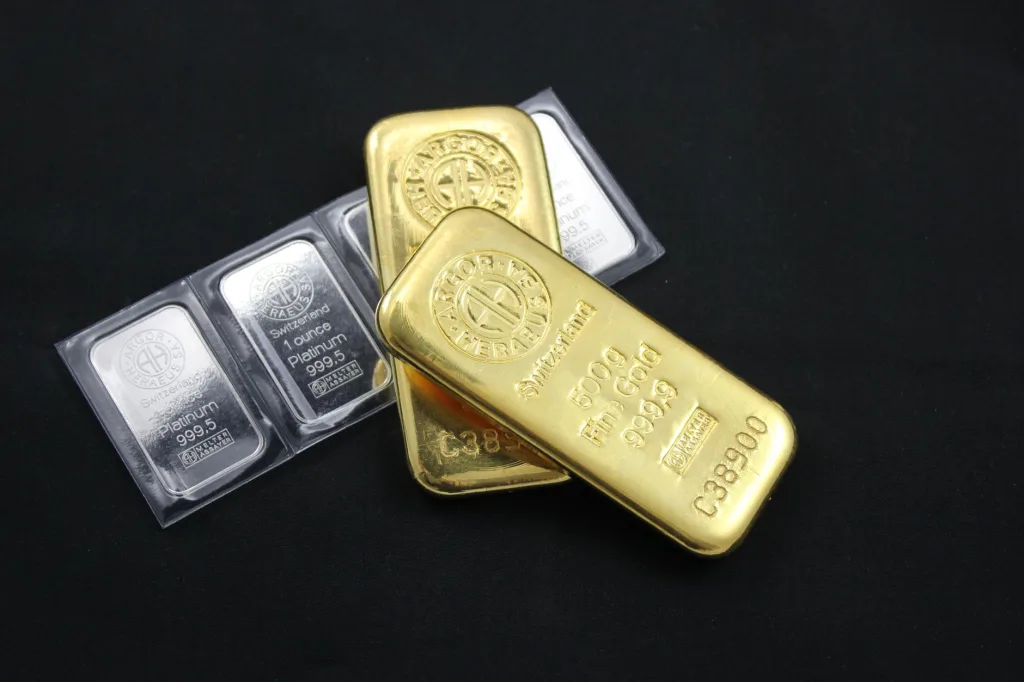
The first practical question when buying a gold bar is a simple one: how big? On the shelf, a 1-gram wafer that fits on a fingertip sits next to a 100-gram bar that costs thousands of euros. Size isn’t just a matter of taste — it affects the price per gram, how easily you can sell later, and how flexibly you can manage your gold.
Below we look at how 1 g, 10 g, 100 g and 1 kg bars differ, and the logic buyers typically use to pick a size.
Bar weight and price per gram: how premiums work
The price of any physical gold has two parts: the market price of the metal, or spot price, and a premium that covers minting, packaging, certification, logistics and the dealer’s margin. You can check today’s gold price on our price page; the premium comes on top.
The key point is that much of the production cost doesn’t depend on the bar’s weight. Making, numbering and certificate-packing a 1-gram bar takes roughly the same work as a 100-gram bar, but that cost is spread across very different amounts of gold. That’s why the premium per gram on a small bar is almost always noticeably higher than on a large one.
In its US market report for the first quarter of 2026, the World Gold Council noted that demand for small 1 g, 5 g and 10 g bars stayed strong despite elevated premiums compared to larger formats. In other words, buyers knew they were paying more per gram — and chose the small bar anyway.
1 g to 5 g: the entry ticket and the gift
The smallest bars are for people who want to start with physical gold without committing a large sum, or who are looking for a gift — for a christening, a birthday or a graduation.
- Pros: low purchase amount, easy to give as a gift, easy to sell in parts later.
- Cons: the highest premium per gram. If your goal is to build up a meaningful amount of gold, buying in small units gets expensive.
A small bar also works well as the first step in regular accumulation: buy a few grams, get used to the process, and decide later whether to move up to larger units. The Argor-Heraeus gold bar, for example, is available from 1 gram.
10 g to 1 oz: a balance between price and flexibility
The middle range — 10 g, 20 g and 1 oz — is the sweet spot for many private investors. The premium per gram is already clearly lower than on tiny bars, yet a single unit isn’t so large that selling it means cashing out your whole position at once.
Worth knowing: one troy ounce is 31.1 grams, so an ounce bar is roughly three times the size of a 10-gram bar. The ounce is the standard unit in international gold trading, which makes ounce bars and coins easy to compare and resell abroad too.
According to the World Gold Council’s third-quarter 2026 report, bars of up to 10 g gained share in the US and Europe because affordability became more of a constraint at high price levels. As the gold price rises, the “typical” purchase naturally shifts towards fewer grams.
50 g and 100 g: lower premium, bigger unit
50- and 100-gram bars suit buyers who are already putting a larger sum into gold and value a lower premium over flexibility. The price per gram here is considerably better than on small bars.
- Pros: low premium per gram, compact — a lot of value in a small space, which makes storage easier.
- Cons: if you need part of your money back, you can’t cut the bar in half. You sell the whole unit or nothing.
That’s why many buyers mix sizes: the core holding in larger bars for the lower premium, and a smaller share in small units so they can sell just a part if needed.
1 kg and above: the professional market’s format
The kilo bar is a tool of the wholesale and institutional market. The London Bullion Market Association (LBMA), together with the Shanghai Gold Exchange, drew up a kilobar standard in 2015: a minimum weight of 1000 g and a fineness of 999.9, plus a mandatory refiner’s mark, serial number and certificate of analysis.
Larger still are the LBMA “Good Delivery” bars held by central banks and major exchanges: they contain 350 to 430 troy ounces of gold (about 11–13 kg) at a fineness of at least 995. For a private investor this is background knowledge: it’s the “real” gold bar behind the world market price.
A kilo bar carries the lowest premium per gram, but a single unit is worth a great deal. For a private investor that means a large upfront outlay, higher demands on storage and insurance, and less flexibility when selling.
Tax: weight doesn’t change VAT
In Estonia and across the European Union, sales of investment gold are exempt from VAT. Under the EU VAT Directive, investment gold includes bars and wafers of a weight accepted by the bullion markets and a purity of at least 995 thousandths. Standard investment bars from 1 gram to a kilogram meet this, so your choice of size doesn’t change the tax treatment.
How to choose a size: a practical approach
- Start with the amount. How much do you want to put into gold now, and how much over time? A small amount naturally means a small bar.
- Think about selling. Might you need to turn part of your gold into cash? Then it makes sense to hold some of it in smaller units.
- Compare the price per gram. Divide the total price by the number of grams and compare sizes — that shows you the premium difference directly.
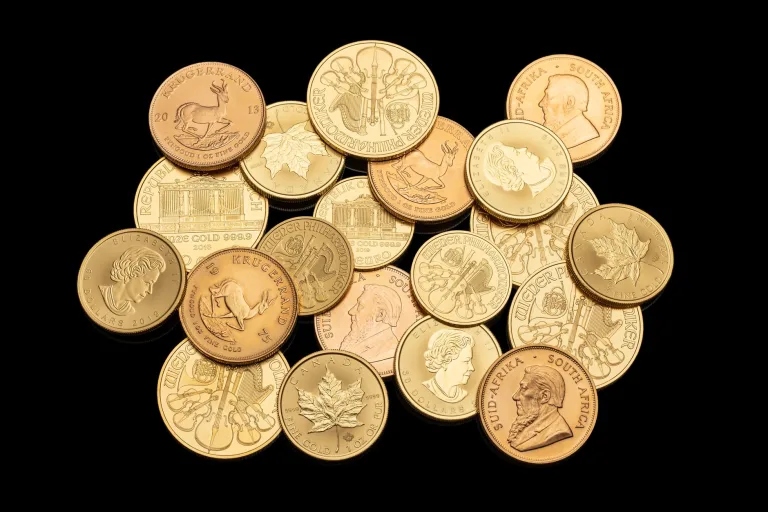
- Consider coins. At the one-ounce size, investment coins such as the Philharmoniker or the Maple Leaf are an alternative, and are recognised worldwide.
Frequently asked questions
Is a 1-gram bar a bad investment?
Not necessarily — it’s simply more expensive per gram. As a gift or a starting point it makes sense; for investing a larger sum, it’s worth looking at bigger units.
Are ten 10-gram bars the same as one 100-gram bar?
The amount of gold is the same, but ten small bars generally cost more, because each carries its own premium. In return, you can sell them in parts.
Does bar size affect VAT?
No. An investment bar with a purity of at least 995 is VAT-exempt in the EU regardless of its weight.
This article is for informational purposes only and does not constitute investment advice or a solicitation to buy or sell precious metals. Precious metal prices fluctuate. Before making any investment decision, consider your own circumstances and consult a specialist if necessary.
Goldman & Sons editorial team