
Market update · 06/07/2026 · 3 min read
Precious Metals Week: Weak Jobs Data Turns Gold Back Up
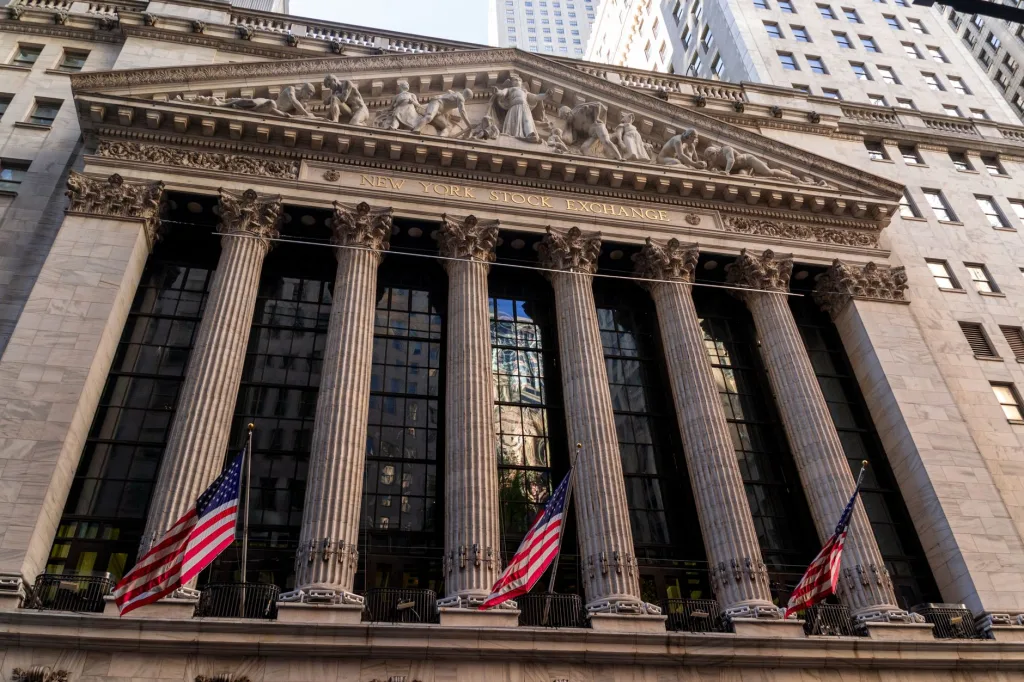
The precious-metals market took a sharp turn last week. After four straight weekly losses, gold found a floor and climbed back above $4,100 as a weaker-than-expected US jobs report eased fears of a Federal Reserve rate hike. Silver followed even more forcefully. Here are the week’s key developments — each with a link to its source.
The week’s key news
- A weak June jobs report ended gold’s losing streak. The US added just 57,000 jobs in June, versus the roughly 110,000 expected — the slowest pace of hiring in four months. The miss trimmed the market’s odds of a September Fed rate hike from 66% to about 54%. Gold rose 1.3% on Friday to $4,176.29/oz and finished the week more than 2% higher, breaking a four-week decline — its longest since August 2023. The dollar, meanwhile, was heading for its biggest weekly loss since April. Kitco, 3 July 2026
- Silver turned sharply higher. Silver jumped 2.6% on Friday to $62.58/oz, reclaimed the $60 mark and ended a seven-week losing streak in futures. The soft jobs report pressured the dollar and lifted the more risk-sensitive metal faster than gold — the usual pattern when rate-hike expectations recede. Kitco, 2 July 2026
- The Fed’s tone softened and geopolitical tension eased. Fed Chair Kevin Warsh told a European Central Bank forum that inflation expectations and risks had eased, even as the central bank reaffirmed its 2% target. At the same time, oil fell for a third straight session as tanker traffic through the Strait of Hormuz recovered and progress was reported in indirect US–Iran talks. A smaller war premium removes part of gold’s safe-haven support, but a softer inflation outlook pulls in the opposite direction. Kitco, 3 July 2026
- The World Gold Council published its mid-year outlook. The report “Point break” (1 July) notes that the first half of 2026 was volatile: gold hit a record $5,405/oz on 29 January, then sank to $4,002 by 25 June and is down roughly 7% year-to-date. The WGC base case sees the price trading within ±5% of around $4,100 in the second half, with direction hinging mainly on rate expectations, geopolitics and central-bank buying. World Gold Council, 1 July 2026
This week’s price — what it means for an Estonian investor
Our counter prices in euros moved back up alongside the world market. A one-ounce gold coin now costs roughly €3,800 — for example, the 1 oz Austrian Philharmonic gold coin is €3,799.60, the 1 oz British Britannia gold coin is €3,792.30 and the 1 oz Canadian Maple Leaf gold coin is €3,856. In silver, the 1 oz Austrian Philharmonic silver coin costs €75.89.
In practice, a week like this means that after a month-long decline, prices are rising again — yet still clearly below January’s peaks. Precious metals are a long-term asset, not a short-term speculation; weekly swings are a normal part of the market. Anyone looking to build a position gradually avoids the pressure of timing a single “perfect moment” by spreading purchases over time. With physical gold and silver, always factor in the premium over the spot price, which is reflected in the counter prices above.
This article is for informational purposes only and does not constitute investment advice or a solicitation to buy or sell precious metals. Precious metal prices fluctuate. Before making any investment decision, consider your own circumstances and consult a specialist if necessary.
Goldman & Sons editorial team